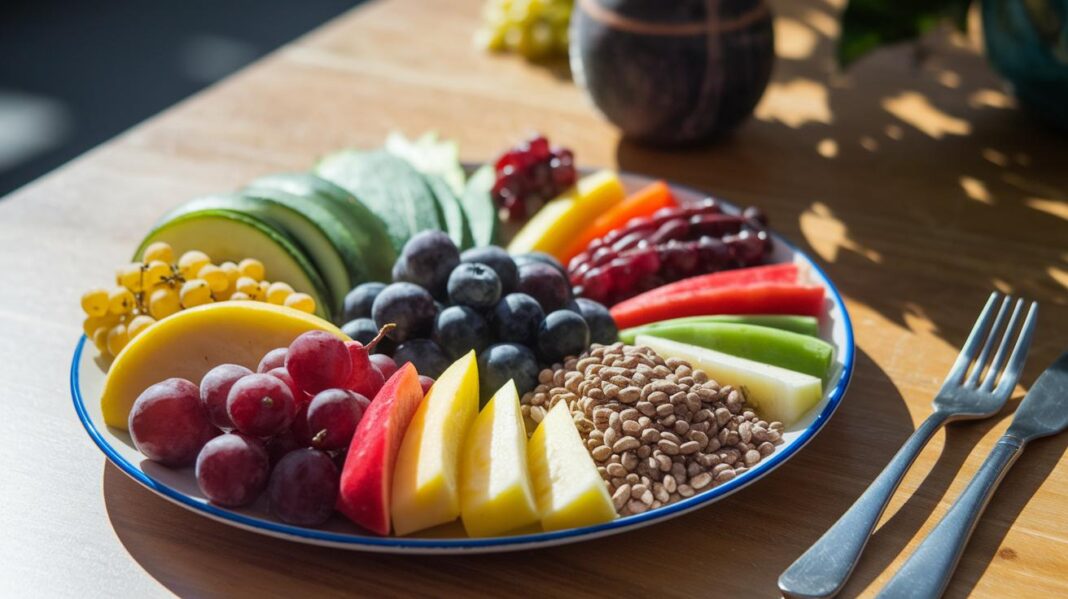
Ever wonder if what you eat really gives you the energy to power through your day? It isn’t just about having food on your plate, it’s about choosing the right mix that keeps you energized. Think about it like setting up a team where carbs, proteins, and healthy fats each play their own part, working together just like players on a winning team. In this post, we share a simple menu example that shows you how to create meals designed to keep you active and feeling great all day long.
Real-World Balanced Diet Example for Everyday Eating
A balanced diet simply means giving your body the right mix of foods. Usually, you'll get about half your calories from carbs, with the other half split evenly between proteins and fats. This smart mix keeps your energy steady, builds muscle, and helps your body work its best. Think of it as serving up a plate with just the right portions for your day.
Imagine beginning your day with a warm bowl of oatmeal, topped with banana slices and a sprinkle of almonds, this meal clocks in around 350 calories. Then, lunch could be a grilled chicken salad that adds about 550 calories to keep you fueled. A snack of creamy Greek yogurt, with roughly 150 calories, will help hold off hunger until dinner. In the evening, a plate of salmon with quinoa and mixed veggies serves up about 700 calories, and a later snack, like an apple with a bit of peanut butter, tops things off with another 150 calories.
This example shows how each meal can deliver the right amount of carbs for energy, proteins for muscle support, and healthy fats for overall well-being. It’s all about keeping your total calories balanced so you feel energized and ready to take on the day.
Example of Balanced Diet: Energizing Meals for Wellness
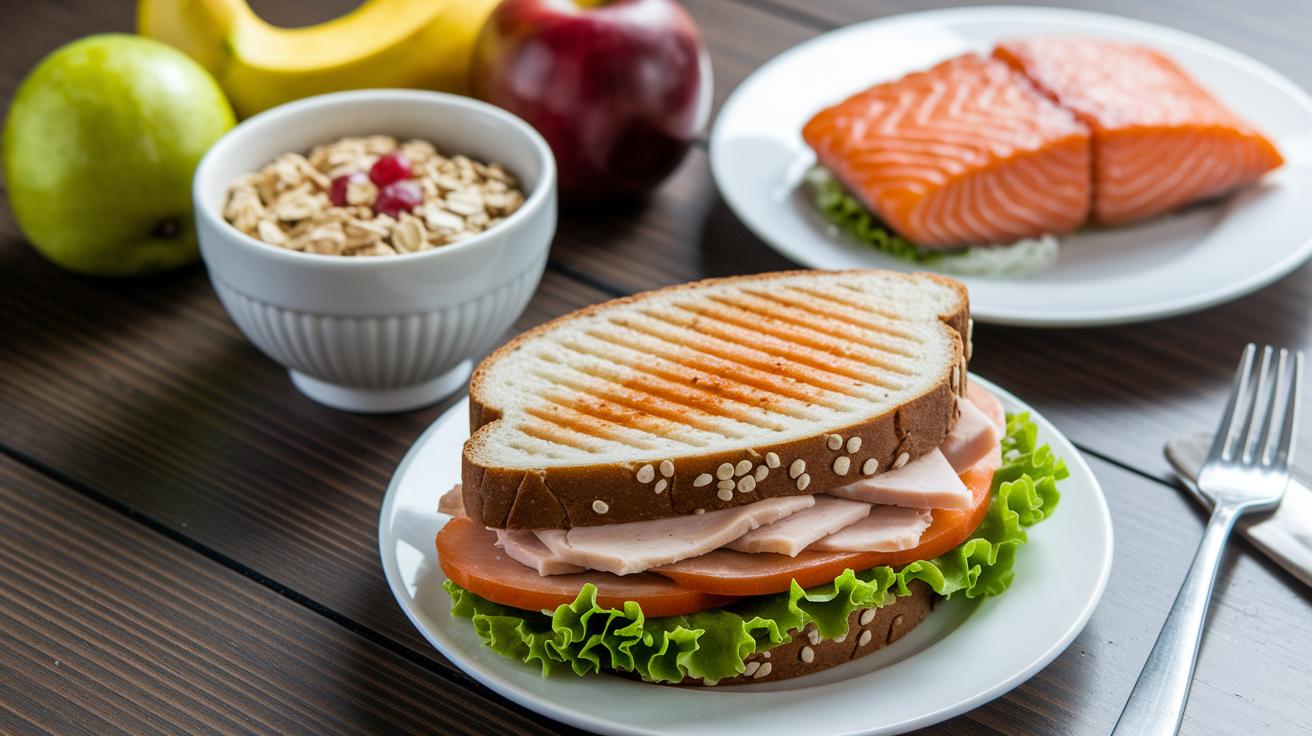
Eating a balanced diet means mixing the right food groups in the right amounts so you get all the good stuff you need to power through your day. On a 2,000-calorie plan, every food group plays its part in keeping you energized and healthy.
Fruits bring a burst of natural sweetness along with valuable vitamins. Try having about 2 cups a day, imagine savoring a bowl of fresh berries that not only taste great but also help your body fight off damage.
Vegetables are a colorful way to load up on nutrients and fiber. Aim for roughly 2.5 cups daily. Enjoy crisp lettuce, vibrant bell peppers, or a plate of roasted veggies to give your meals that extra lift.
Grains are your go-to for steady energy. About 6 ounces a day is ideal, and choosing whole-wheat bread or brown rice adds a hearty dose of fiber and energy that keeps you moving.
Protein is the building block for strong muscles and tissue repair. Around 5.5 ounces of lean choices like beans, chicken, or tofu each day can help your body bounce back after a busy day.
Low-fat dairy should be in your daily mix too, about 3 cups of milk or yogurt provide calcium and protein, which are key for keeping your bones strong and your energy levels steady.
Healthy oils, like olive oil, give you essential fats needed for heart support and helping your body absorb important nutrients. About 27 grams a day will do the trick. For more tips on making smart food choices, check out the grocery list for healthy eating at https://healthlystats.com?p=207.
One-Day Comprehensive Balanced Diet Example
This meal plan is designed to fuel your day with 2,000 calories and clear numbers for carbs, protein, and fat so you know exactly what you're putting into your body. Picture this: starting your morning with a warm bowl of oatmeal and fruit, followed by a refreshing Greek yogurt mid-morning snack. Then, a satisfying turkey sandwich paired with a crisp salad for lunch, an apple with peanut butter to keep you going in the afternoon, and finishing with a nourishing dinner of grilled salmon, quinoa, and veggies. It’s all balanced to keep you feeling great.
Before diving in, here's a fun tip: getting the right mix of nutrients can really boost your energy levels throughout the day!
| Meal | Items | Calories | Carbs (g) | Protein (g) | Fat (g) |
|---|---|---|---|---|---|
| Breakfast | Oatmeal with fruit | 350 | 60 | 10 | 8 |
| Mid-morning snack | Greek yogurt | 150 | 12 | 15 | 3 |
| Lunch | Turkey sandwich & salad | 600 | 50 | 35 | 20 |
| Afternoon snack | Apple & peanut butter | 200 | 25 | 6 | 8 |
| Dinner | Grilled salmon, quinoa, veggies | 700 | 55 | 40 | 25 |
| Total | 2000 | 202 | 106 | 64 |
Seven-Day Balanced Diet Example Meal Plan Overview
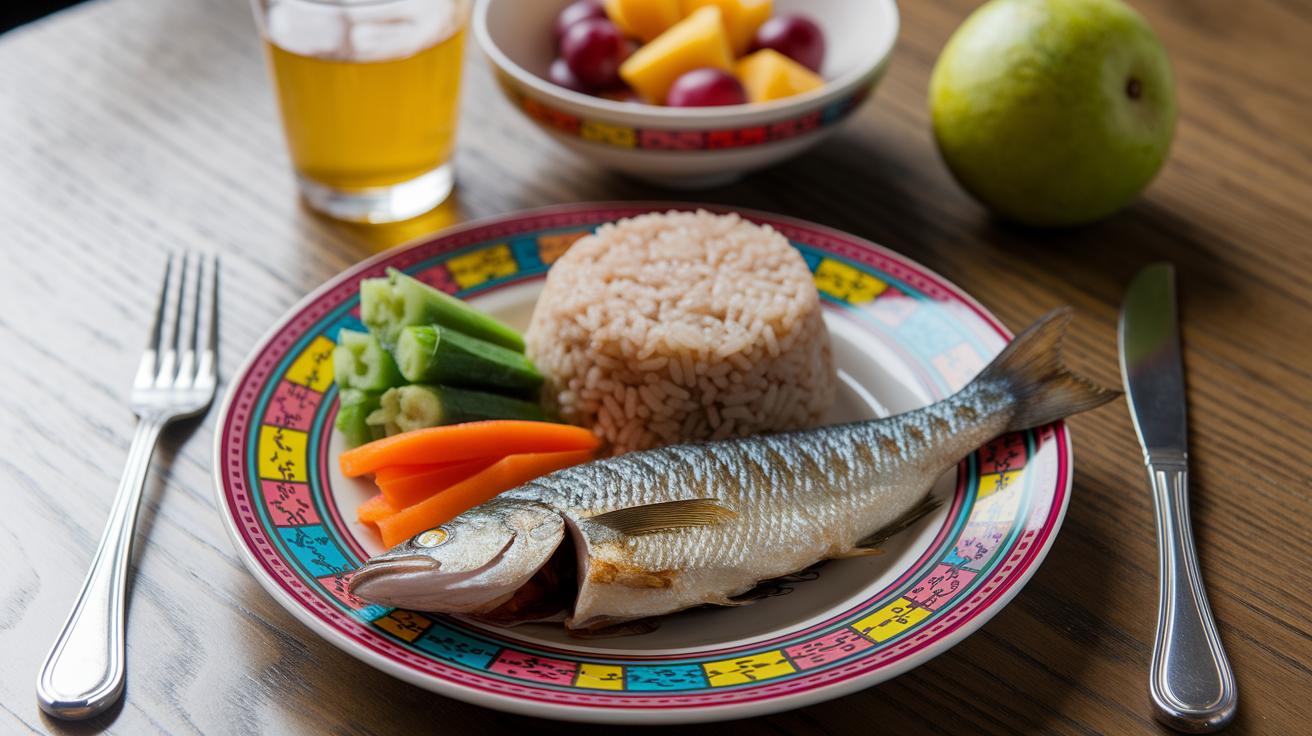
Imagine a week where your meals change day by day, yet still give you all the nutrients you need. This seven-day plan offers three main meals and two light snacks each day, keeping things fresh and balanced. You’ll find lean proteins like chicken, fish, or beans paired with whole grains like brown rice and wheat pasta. Plus, you'll enjoy at least five servings of fruits and vegetables, healthy fats from nuts or avocado, and dairy or fortified alternatives to keep your nutrition on point.
Picture a typical day starting with a bowl of whole-grain cereal topped with fresh berries and low-fat yogurt. For lunch, you might have a lean turkey sandwich on whole-wheat bread, alongside a colorful salad. A mid-day snack of a handful of almonds and an apple gives you that extra boost. Dinner could then be a serve of grilled fish with brown rice and steamed vegetables, rounded off with a small plate of mixed fruit. It’s a plan that keeps you energized from morning to night.
The best part? You can easily swap out ingredients to suit your taste or dietary needs. You might choose tofu or beans instead of meat, opt for a gluten-free whole grain, or even switch in seasonal fruits and vegetables. You can adjust snack sizes or use dairy alternatives without changing the basic layout of three meals and two snacks. It’s all about crafting a routine that supports balanced nutrition and steady energy throughout your week.
Adjusting a Balanced Diet Example to Personal Needs
You can change your diet to work with your everyday activities and lifestyle. If you play sports or exercise hard, you might need extra calories to keep your energy up. But if you’re watching what you eat for health reasons or weight loss, switching a few things in your meals can really help. It’s all about trying different foods and portion sizes until you find the mix that fits your body and tastes just right.
- Adjust calories based on your activity (for example, add about 300 extra calories if you’re very active)
- Try different proteins like tofu, beans, or fish
- Pick grains that work with your gluten-free or low-carb needs
- Add healthy fats when you need an extra energy boost
- Use allergy-friendly swaps such as almond milk or seed butters
- Change portion sizes to help with weight gain or loss goals
Implementing an Example of Balanced Diet into Daily Routine

One great tip is to cook in batches for three or four days. When you prepare your whole grains, proteins, and veggies ahead of time, you cut down on daily stress and free up more time to enjoy well-rounded meals. This makes it easier to stick with a meal plan that keeps your energy up all day.
Eating meals and snacks every three to four hours is another simple way to keep your energy steady. Drinking about eight cups of water daily not only hydrates you but also helps you feel better overall. Plus, using an easy-to-use phone app to track your meals can give you clear feedback on how well your diet is working for you.
Being mindful of your portions is another smart move for keeping your nutrient balance in check. Creating little routines, like spending your Sunday afternoons on meal prep, helps build consistency in your eating habits. These everyday strategies make healthy eating a natural part of your day, keeping you on track with a balanced diet.
Final Words
In the action, we broke down how real-life meal plans, from sample menus to weekly outlines, make it easier to manage daily health routines. The post used clear examples to show how a balanced diet meets daily nutrient needs while offering tips to customize your eating habits. It reminded us that small, data-informed steps can lead to better overall well-being. Enjoy the process of making healthier choices and watch how simple changes can brighten your day.
FAQ
What is a balanced diet?
The balanced diet means eating a mix of carbohydrates, proteins, and fats in the right proportions to fuel your body and maintain overall health.
What are examples of balanced meals and how does a balanced diet chart work?
The balanced meals might include options like oatmeal with fruit for breakfast, a grilled chicken salad for lunch, and salmon with quinoa for dinner. A balanced diet chart visually outlines these meals with their calorie and nutrient details.
What is included in a balanced diet food list?
The balanced diet food list features fruits, vegetables, whole grains, lean proteins, low-fat dairy, and healthy fats, ensuring you get a wide range of essential nutrients.
Why is a balanced diet important?
The balanced diet is important because it provides the energy and nutrients needed for healthy growth, supports daily activities, and helps maintain overall body function.
What are the seven things you need in a balanced diet?
The balanced diet includes servings from fruits, vegetables, grains, proteins, dairy, healthy fats, and water, each contributing vital nutrients for daily well-being.
How can a balanced diet be adapted to personal needs or school projects?
The balanced diet can be tailored by adjusting portion sizes or swapping ingredients based on age, activity level, or academic guidelines, making it both practical and relevant.

