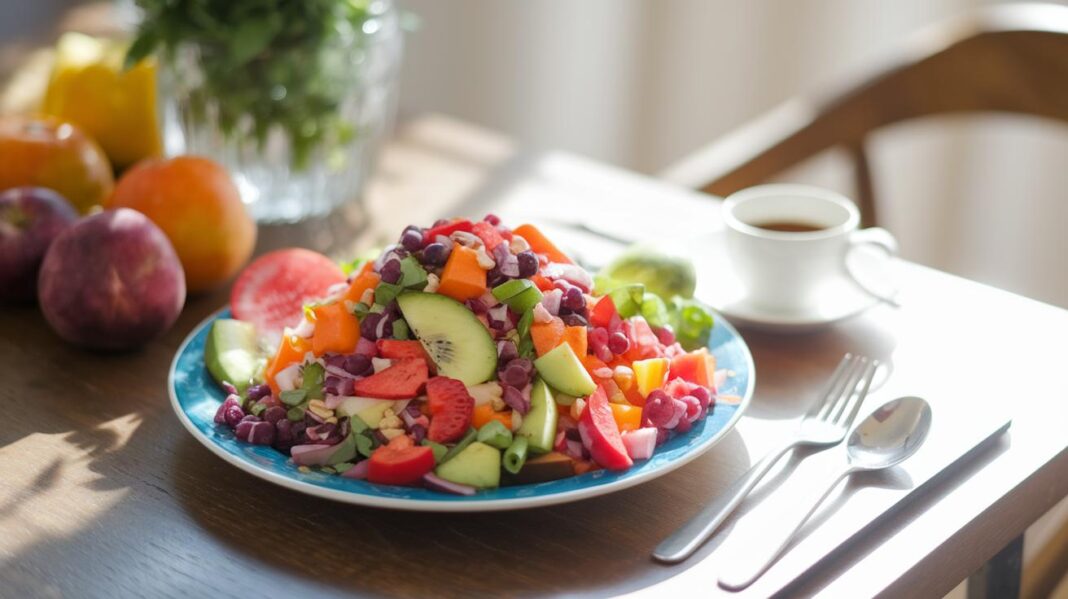
Have you ever wondered if one meal can truly boost your day? A simple mix of lean protein, whole grains, fruits, and vegetables might be just what you need to feel great.
This article explains how combining these food groups can fuel your body, lift your mood, and even clear your mind. We share a straightforward guide to help you plan meals that really work.
Picture this: a few small changes on your plate making a big impact on your energy. Ready to give it a try?
Achieving Balanced Diet for a Healthy Lifestyle: Definition and Core Principles
A balanced diet means enjoying meals that include a mix of protein, fats, carbohydrates, fiber, vitamins, and minerals. Think of it like a colorful plate filled with lean meats, dairy or dairy alternatives, whole grains, and plenty of fruits and vegetables. Each key food group plays a role in keeping you energized and making sure your body gets everything it needs. For example, a breakfast with eggs, whole-grain toast, and a banana not only tastes great but also sets a solid nutritional foundation for the day.
Balanced meals help boost your energy levels, improve mood, and sharpen mental clarity. Every bite you take fuels your body’s everyday activities like walking, thinking, or even breathing. When you mix nutrient-rich foods, your body performs everyday tasks more smoothly and can keep up with both work and play. Imagine how much more vibrant you feel after a meal that strikes just the right balance, your body thanks you by running more efficiently.
Dietary guidelines suggest aiming for variety and moderation to enjoy a balanced diet. Experts recommend eating at least five servings of fruits and vegetables daily, where one serving is about half a cup of raw produce or a small piece of fruit. This abundance helps spread out your calorie intake, the energy stored in your food that fuels each small and big movement throughout your day. Embracing these core principles makes healthy eating a natural and enjoyable part of your everyday life.
Comprehensive Meal Planning Strategies for a Balanced Diet
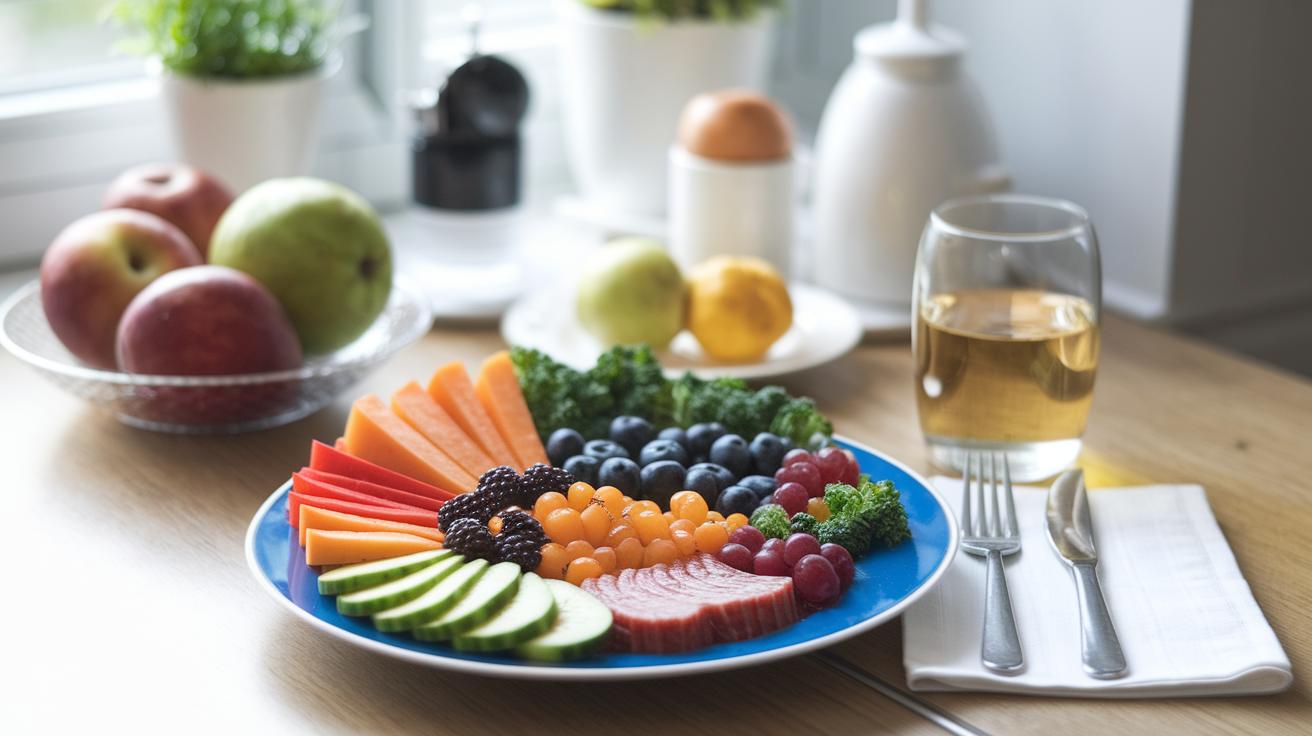
Planning balanced meals can make healthy eating feel fun and straightforward. When you map out your meals, you’re taking charge of what lands on your plate and how much of it you enjoy. A hearty, protein-packed breakfast can kickstart your metabolism and set a positive tone for the day. By planning a few small meals or snacks throughout the day, you help keep your energy steady and stave off the pangs of hunger. Simple swaps, like choosing fresh fruits and cutting back on processed foods, can turn smart eating into a natural, everyday habit.
When you follow an easy, step-by-step meal plan, cooking becomes something you look forward to rather than a stressful chore. It helps you keep an eye on important nutrients and portion sizes while still letting you savor your favorite eats. Plus, a mix of colorful foods can brighten your mood and boost your overall well-being. Here are a few simple tips to get you started:
- Enjoy a protein-focused breakfast
- Plan for 4 to 6 small meals or snacks each day
- Fill your plate with at least three different colors
- Pre-portion your meals to help control servings
- Treat yourself to one special indulgence each week
Using handy meal-prep tools and a clear schedule can turn a week of eating into an enjoyable task. Imagine spending an hour or two on the weekend preparing fresh fruits, veggies, and lean proteins that are ready to grab during busy days. These time-saving hacks not only lower daily stress but also ensure you have tasty, healthy options at hand all week long. This way, healthy eating becomes an exciting and manageable part of your day, making you feel truly great every day.
Macronutrient and Micronutrient Optimization for a Balanced Diet
Eating healthy is all about finding the right balance between carbohydrates, proteins, and fats. Carbs power you up for daily activities, while proteins help build strong muscles and mend injuries. Fats play a key role in creating cells and keeping your skin in good shape. Experts say that the ideal mix of these nutrients depends on your individual needs. Keeping them balanced can work wonders for both your body and mind. For instance, trading refined grains for whole grains boosts your fiber intake, aim for about 25 grams or more each day, which helps digestion and keeps you feeling full longer.
| Nutrient Type | Daily Recommendation | Top Food Sources |
|---|---|---|
| Carbohydrates | 45-65% of total calories | Whole grains, fruits, vegetables |
| Proteins | 10-35% of total calories | Lean meats, beans, tofu |
| Fats | 20-35% of total calories | Nuts, avocados, olive oil |
| Fiber | 25 g or more daily | Whole grains, fruits, vegetables |
| Calcium | 1,000 mg daily | Dairy, leafy greens, fortified foods |
| Iron | 8-18 mg daily | Lean meats, beans, spinach |
Using apps to track nutrients and reading food labels can really simplify choosing the best options. By keeping an eye on what you eat, you can adjust your meals to pack in essential vitamins and minerals. This method helps you fine-tune the balance of your macronutrients while making sure you get the little bits, like calcium for bones or iron for energy, that keep your body running smoothly. In this way, every meal becomes a step toward a balanced and feel-fantastic lifestyle.
Sustaining Energy in a Balanced Diet with Whole Foods and Seasonal Produce
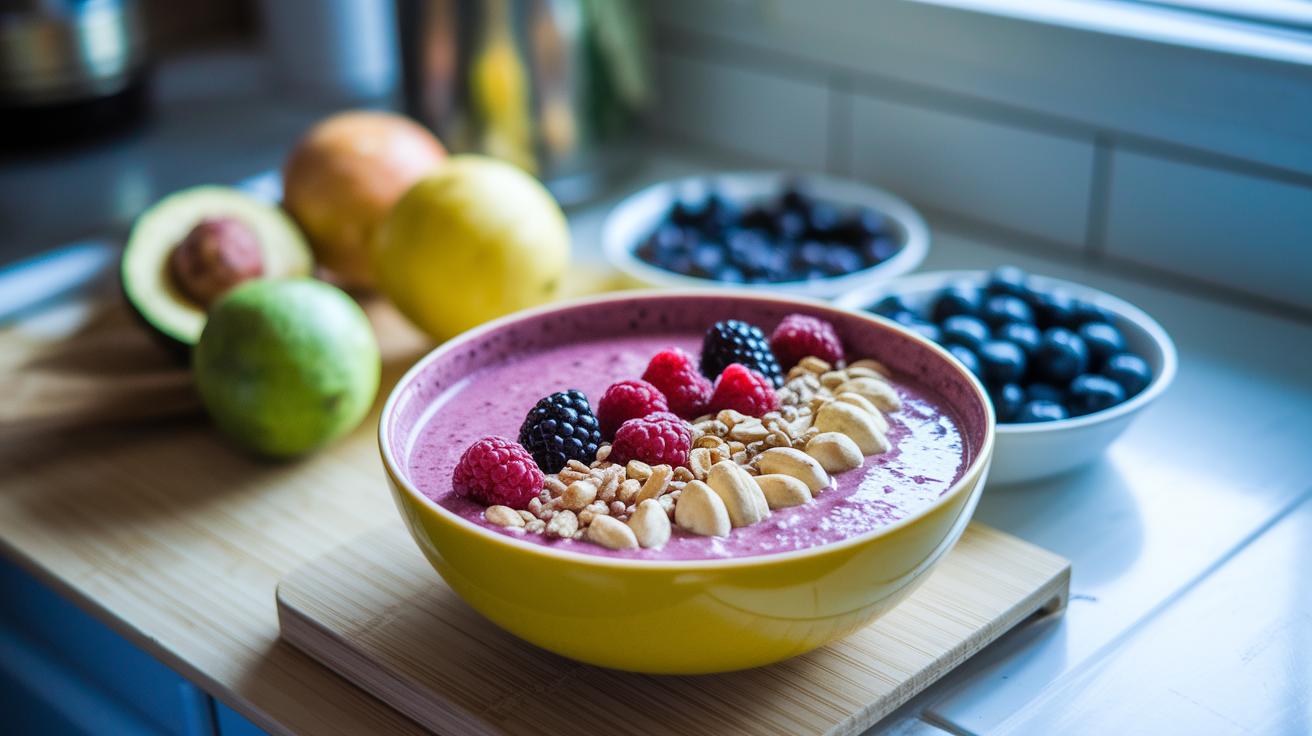
Eating more whole foods is a simple way to keep your energy levels steady and feel great every day. Foods like fruits, vegetables, whole grains, and lean proteins are packed with vitamins, minerals, and fiber. These nutrients help fuel your body naturally, so instead of reaching for a processed snack, try an apple or a handful of nuts. It’s a delicious way to keep hunger at bay and enjoy long-lasting energy.
Mixing up your meals with seasonal produce can bring even more goodness into your diet. Choosing fruits and veggies that are in season means you’re getting them when they’re at their very best, fresh, flavorful, and full of nutrients. Think about biting into a sweet, sun-ripened peach in the heat of summer or savoring a cozy root vegetable in the fall. Every bite gives your body a little boost and helps keep your blood sugar steady while making your meals more fun.
Steering clear of overly processed foods is another easy step toward better health. Look for fresh ingredients at your local farmers market or even try growing your own herbs and greens. This not only cuts down on unnecessary additives but also lets you enjoy the true flavors of natural food. Little changes like these can lead to a healthier, more energetic you over time.
Creative Nutrient-Dense Recipes and Smart Snacking for a Balanced Diet
Have you ever wanted to kick off your day with meals that taste amazing while giving your body a nutritional boost? These creative recipes mix together fruits, vegetables, whole grains, and lean proteins so you can enjoy a balanced diet every day. Adding superfoods like berries, nuts, and seeds brings extra flavor and nutrients into the mix. And smart snacking matters too, think creamy Greek yogurt with fresh fruit or homemade energy balls that you can take on the go.
Cooking healthy meals can be fun and light-hearted rather than a chore. Imagine blending a nutrient-packed smoothie with leafy greens, protein, and healthy fats, or preparing a bowl filled with colorful vegetables and whole grains. Each dish celebrates fresh flavors and keeps things interesting in the kitchen.
Below are some recipes to spark your creativity:
Energizing Breakfast Smoothie
Blend a handful of spinach, some mixed berries, half a banana, a spoonful of Greek yogurt, and a splash of almond milk. If you’re feeling adventurous, add a tiny pinch of spirulina to power up your morning.
Vegetable and Grain Power Bowl
Mix cooked quinoa, chopped kale, roasted bell peppers, and sliced avocado in a bowl. Drizzle with olive oil and a squeeze of lemon for a refreshing, nutrient-packed meal.
Protein-Packed Snack Balls
Combine dates, almond butter, oats, and chopped nuts. Form the mixture into small balls for a satisfying, on-the-go snack.
Feel free to adjust these recipes to match your taste and dietary needs. Experiment with different fruits, vegetables, and spices until every dish feels uniquely yours.
Portion Control and Mindful Eating for a Balanced Diet
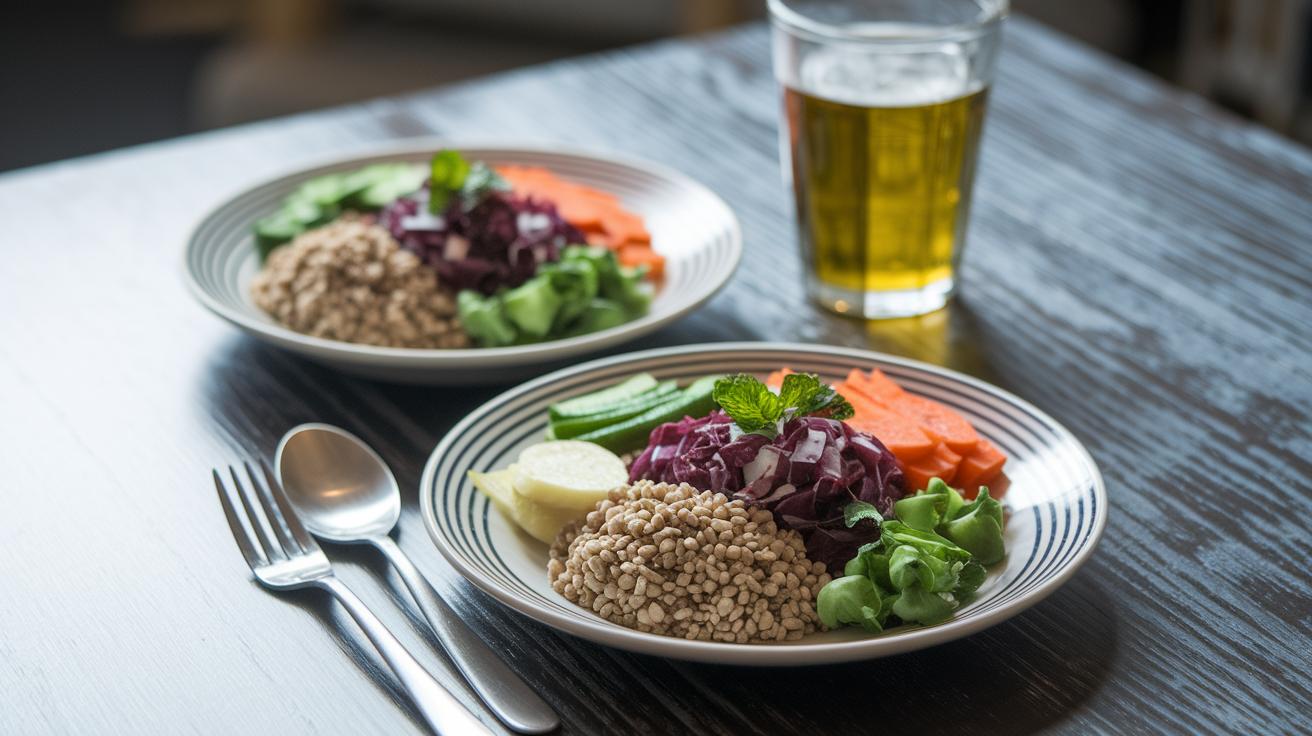
When you eat in moderation, you stop when you're comfortably full instead of puffing up with too much food. It’s like enjoying your favorite dishes without going overboard. For example, you might decide to treat yourself to high-fat snacks only once a week instead of every day. This practice helps keep your meals balanced, satisfying your body and mind while still letting you explore flavors and variety.
Mindful eating is all about taking your time during meals. Slowing down lets you really taste each bite and gives your body a chance to tell you when it's had enough. Imagine putting your fork down for a moment between bites, this simple act can help you listen better to your hunger signals. Not only does this slow, thoughtful pace prevent overeating, but it also makes your mealtime more meaningful.
Here are some easy tips to try at your next meal: choose smaller plates so you naturally take less food, pre-portion your snacks to avoid extra servings, check food labels for proper serving sizes, and take a short break halfway through your meal to see if you're already full.
Final Words
In the action, you learned how a well-rounded eating plan covers key food groups, meal planning, nutrient balance, and smart snacking. Each section offered clear tips on building meals that keep you energized and satisfied. Creative recipes and mindful portions round out the advice, making it easy to take realistic steps toward a healthier routine. Following these practical strategies can help you maintain a balanced diet for healthy lifestyle, leaving you feeling optimistic about your next health move. Enjoy putting these ideas into everyday practice!
FAQ
What does a balanced diet for a healthy lifestyle look like?
A balanced diet blends lean proteins, fruits, vegetables, whole grains, and healthy fats in proper portions. It fuels energy, supports body function, and sharpens your mind.
What foods feature on a balanced diet food list or chart?
A balanced food list or chart includes lean proteins, whole grains, fresh fruits, vibrant vegetables, low‐fat dairy, and healthy fats. This diverse mix meets key nutritional guidelines.
How is a balanced diet meal plan structured?
A balanced meal plan organizes nutrient-dense meals each day. It typically features protein-rich breakfasts, colorful plates at lunch and dinner, small snacks for steady energy, and one weekly treat.
What constitutes a 7-day healthy eating plan?
A 7-day plan lays out varied, balanced meals over the week, mixing lean proteins, a rainbow of fruits and vegetables, whole grains, and portions that keep energy levels stable and taste exciting.
What are healthy foods to eat every day?
Eating a mix of fruits, vegetables, lean proteins, whole grains, and low-fat dairy every day provides essential vitamins, minerals, and energy, helping you stay vibrant and strong.
What is a balanced diet for a healthy life?
A balanced diet for a healthy life brings together a mix of proteins, fats, carbohydrates, vitamins, and minerals in proper portions to support energy levels, clear thinking, and overall well-being.
What are the 7 essentials in a balanced diet?
The seven essentials include lean proteins, complex carbohydrates, healthy fats, fiber, vitamins, minerals, and water. Each element plays a key role in keeping your body fueled and balanced.
What is the best diet for healthy living?
The best diet for healthy living meets your nutritional needs with variety and moderation. It focuses on whole foods like fruits, vegetables, lean proteins, and whole grains tailored to your taste.
What are 10 practical tips for a healthy lifestyle?
Ten practical tips include eating balanced meals, planning nutrient-dense snacks, staying well-hydrated, engaging in physical activity, getting enough sleep, managing stress, reading labels, practicing portion control, choosing whole foods, and allowing occasional treats.

