
Ever wonder if pricey hair products really give you shiny hair? The truth is, what you eat could matter more. Foods loaded with protein, vitamins, and healthy fats work like a boost, helping your hair grow strong and gleam bright. Think of your hair like a garden that blooms when it gets the right nutrients. In this article, you'll see how a balanced diet of everyday foods can change dull strands into a vibrant, shining mane.
Core Nutritional Foundations in a Balanced Diet for Hair Growth
Your hair is built from a mix of proteins (that make keratin), water, fats, pigments, and minerals. Foods like eggs, lean meats, beans, and nuts give you the proteins needed to build strong strands. Drinking about two liters of water each day keeps your hair hydrated, kind of like a garden that thrives when properly watered.
Vitamins and minerals are nature’s little helpers for vibrant hair. For example, vitamin A from carrots, sweet potatoes, and spinach helps your scalp make natural oils that keep it soft. B vitamins, especially biotin, work to keep your hair strong by building up keratin, which helps prevent hair loss. Vitamin C helps your body create collagen and absorb iron, while vitamin E protects your hair from damage. Minerals like iron found in red meat, lentils, or spinach carry oxygen to your hair roots, and zinc from nuts and seeds helps your hair repair itself.
Healthy fats also play a big part. Omega-3 and omega-6 fatty acids from foods like salmon, flaxseeds, and walnuts keep your scalp nourished and less dry. Plus, cutting added sugar to less than 50 grams a day can help keep your hormones balanced and reduce inflammation. Pretty neat, right? A balanced mix of these nutrients not only supports your hair’s structure but also transforms dull, lifeless strands into a full, vibrant shine.
Superfood Selection for Maximizing Hair Growth Benefits
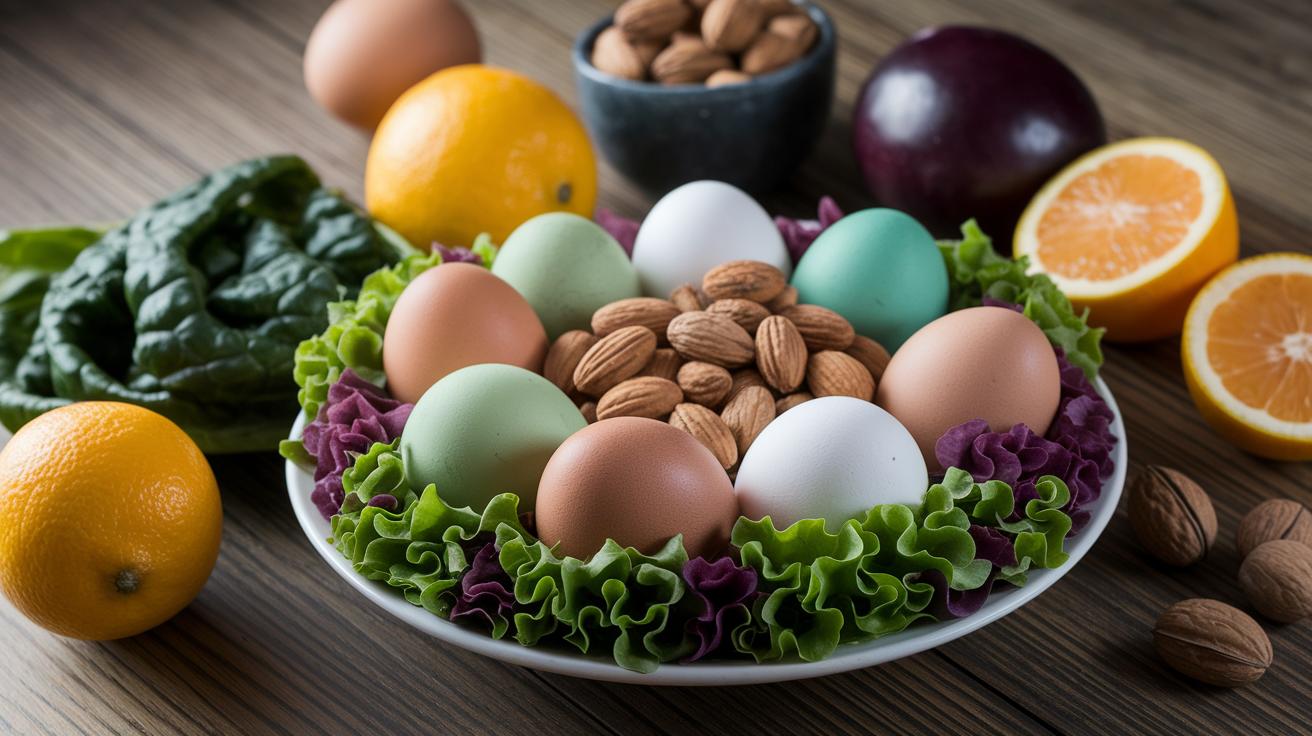
When you pick superfoods, you're giving your hair a natural boost. Foods like eggs, leafy greens, and citrus fruits are filled with protein, vitamins, and healthy fats your hair needs to grow strong and look vibrant. They help your body make collagen (a protein that keeps your hair firm), improve blood flow to your scalp, and build up the sturdy fibers in your hair.
Eggs bring in protein and biotin to help build robust strands, while green leafy vegetables supply vitamins A and C that encourage cell growth and support natural oil production. Citrus fruits and berries, packed with vitamin C, help make collagen and protect your hair with antioxidants. Nuts and seeds offer omega-3 fatty acids and key minerals to lock in moisture and boost new cell growth. Plus, a mix of carrots, whole grains, soybeans, avocado, and even a pinch of cinnamon helps improve blood circulation and hormone balance, ensuring your hair stays lively and resilient.
| Food | Key Nutrients | Hair Benefit |
|---|---|---|
| Eggs | Protein, Biotin, Iron, Zinc, Vitamins A & D | Strengthens hair strands |
| Green Leafy Vegetables | Vitamins A & C, Carotene, Folate, Iron | Boosts cell growth |
| Citrus Fruits & Berries | Vitamin C | Supports collagen production |
| Nuts & Seeds | Omega-3, Zinc, Phosphorus, Magnesium, Copper, Selenium | Keeps scalp hydrated |
| Carrots | Vitamin A | Improves blood flow to follicles |
| Whole Grains | Biotin, Iron, Zinc, B Vitamins | Enhances nutrient delivery |
| Soybeans | Vitamins B2, Magnesium, Iron, Omega-3, Manganese | Helps balance hormones |
| Avocado | Vitamin E, Potassium, B Vitamins, Folic Acid | Protects hair follicles |
| Cinnamon | Antioxidants | Boosts texture and offers antimicrobial benefits |
Planning Balanced Meals to Support Scalp Health and Strand Strength
Eating well means mixing the right foods in every meal. Picture your plate like a pie with about 30% protein, 40% complex carbs, and 30% healthy fats. For example, grilled salmon or lentils offer lean protein that helps build strong hair, while quinoa or sweet potatoes give you the energy-filled carbs you need. And don’t forget to add a good helping of leafy greens for vitamins and minerals. Nuts and avocado bring in healthy fats to keep your scalp well-nourished. Together, these foods work to power up your hair follicles for solid growth.
Staying well-hydrated is just as important. Drinking water and herbal teas is like watering a garden, it keeps your scalp happy and moisturized. Adding spices like turmeric and ginger can also ease scalp irritation and help manage inflammation. Cutting back on sugar and saturated fats is key, too, since these can interrupt the flow of nutrients that keep your hair shiny and strong. Whole grains and fiber-rich foods boost nutrient delivery and support what we might call the gut-hair connection.
Try taking a few minutes each week to plan your meals. Use a meal planner to set up dishes that combine lean proteins, fiber-filled veggies, and soothing spices. Imagine a quinoa salad with mixed greens, grilled chicken, a sprinkle of nuts, all paired with a warm cup of herbal tea, it’s a simple and effective way to care for both your scalp and your hair every day.
Addressing Key Nutrient Deficiencies to Prevent Hair Shedding
Iron Deficiency & Solutions
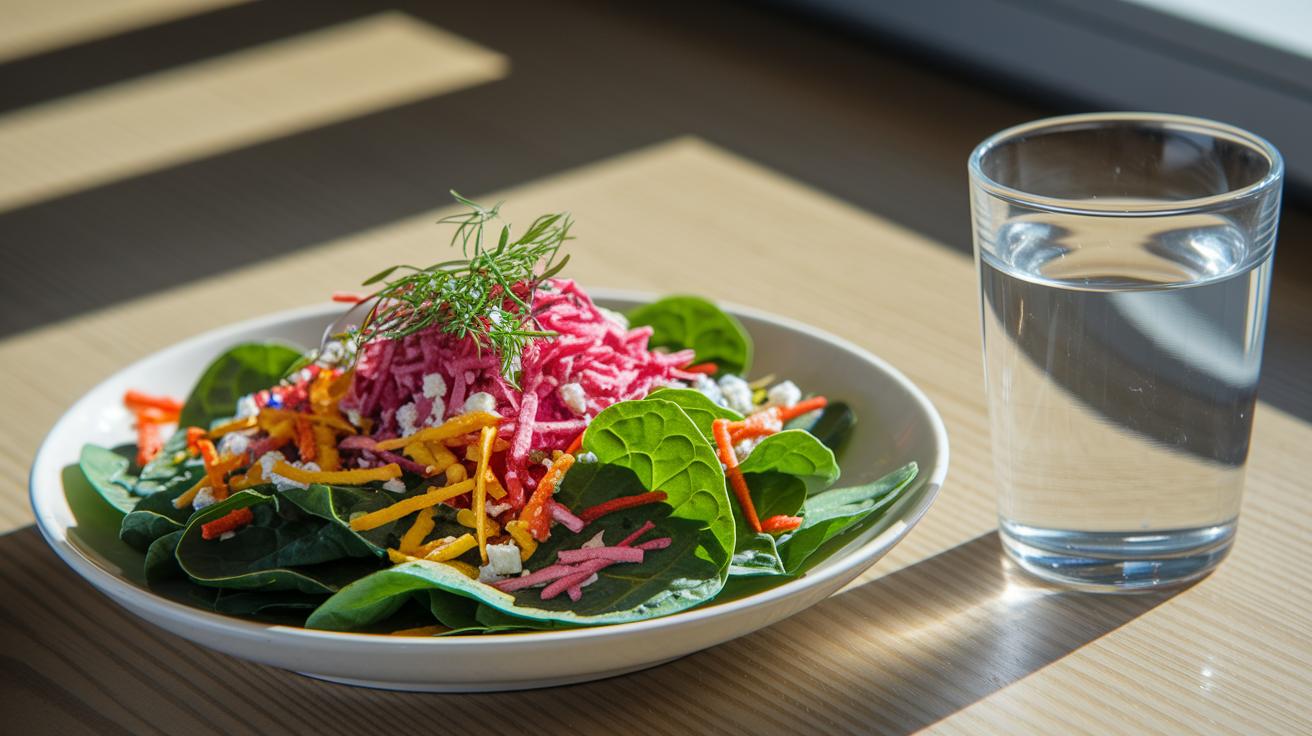
When you don’t get enough iron, the oxygen that feeds your hair follicles becomes limited. This lack weakens the cells that build and repair your hair, leading not only to thinning but to extra shedding when those cells can’t keep up with daily wear. Research shows that low iron levels often go hand in hand with more hair loss. You can help by adding iron-rich foods like red meat, lentils, or spinach into your meals. For example, one woman noticed that after including a spinach salad with her lunch, her hair felt stronger and shed less throughout the day.
Biotin Boosting Foods
Biotin is a key ingredient for forming keratin, which is the protein that helps build up your hair’s structure. When your biotin levels dip, your hair can get weak and break more easily from everyday stress. Studies suggest that even a small drop in biotin might lead to an increase in falling hair strands. Eating foods high in biotin, like eggs, almonds, and avocados, can help keep your keratin production strong. A friend shared that after adding eggs to her breakfast routine, she saw fewer broken strands and her hair became much tougher over time.
Zinc & Selenium Support
Zinc and selenium help your hair follicles as they work to create new cells. Without enough of these minerals, cell renewal slows down, leaving your hair fragile and more prone to letting go of strands. Some studies have found that low levels of zinc and selenium can lead to up to a 20% increase in hair shedding, especially if other nutrients are also missing. Including foods such as oysters, pumpkin seeds, walnuts, and Brazil nuts in your diet can support cell repair. One person even mentioned that switching to a snack mix with walnuts and pumpkin seeds noticeably boosted her hair strength and reduced daily shedding.
Lifestyle and Dietary Habits to Amplify a Balanced Diet for Hair Growth
We've combined our tips on staying hydrated, watching your sugar, and choosing anti-inflammatory foods with our key advice on balanced meals. Try to drink about 2 liters of water each day, keep added sugars below 50 grams, and add foods like fatty fish, berries, and turmeric to help your body absorb nutrients and keep your hair strong.
For instance, you might start with a simple change – swap out a sugary treat for a piece of fresh fruit. This little switch can help keep your energy steady and your nutrient balance on track.
Or you could work on your water routine – make a habit of drinking water regularly throughout the day. This helps support your cells and keeps you energized without extra sugars.
Tracking Your Progress and Adjusting a Balanced Diet for Optimal Hair Growth
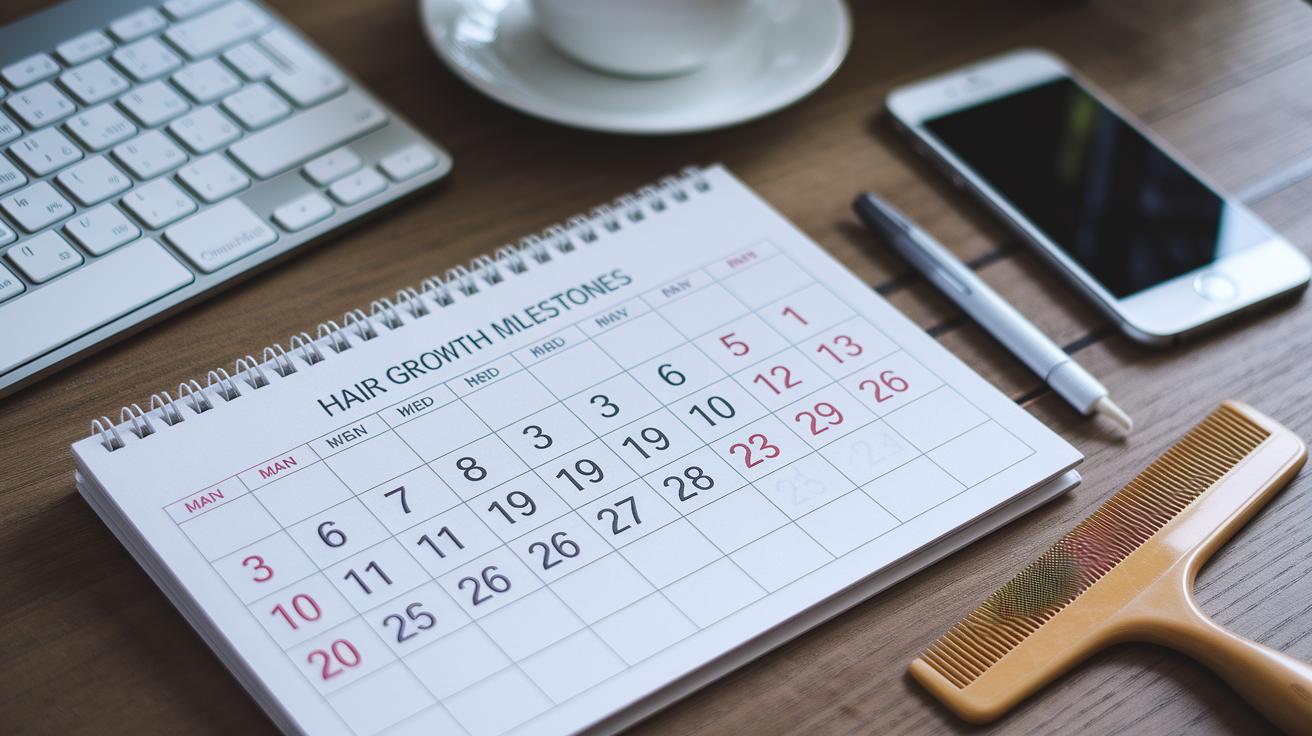
It all starts with setting a timeline. Changes like longer, thicker hair and better overall health usually appear after about 8–12 weeks of sticking to a balanced diet. Try making a simple calendar where you mark your start date and plan a check-in each month. For example, snap a photo of your scalp and hair at the same time every month to notice those small, positive shifts.
Next, mix up your ways to measure how things are going. You can use a ruler or tape measure to track new hair growth and check thickness with a comb or even your fingers. Those monthly photos help you see progress too. One person even noticed their hair becoming shinier and fuller simply by tweaking their diet.
Finally, adjust what’s on your plate based on how your hair responds. If you're not seeing the growth you want, consider adding more protein. If you notice extra shedding, include more iron-rich foods. This easy three-step plan keeps your spirits high and helps you fine-tune your diet as you go.
Final Words
In the action, we broke down how a balanced plate helps strengthen hair by covering proteins, water, vitamins, and minerals. We looked at superfoods and easy meal strategies that keep your scalp refreshed and hair vibrant. We also tackled ways to spot and fix nutrient gaps while building a routine that watches progress over weeks. All these steps work together to support a balanced diet for hair growth and boost overall health. Keep making these simple, daily changes, and enjoy seeing your body thrive.
FAQ
What foods help with hair growth and thickness?
The foods that help with hair growth and thickness are those rich in protein, vitamins, minerals, and healthy fats. Eggs, leafy greens, nuts, and fish support keratin production and strengthen strands.
Which foods boost hair growth quickly and are top recommendations?
The foods boosting hair growth quickly include high-protein items like eggs and lean meats, vitamin-rich leafy greens, citrus fruits, and omega-3 sources such as salmon, all working to nourish and fortify hair.
What ingredients make a balanced diet for hair growth, especially for women?
A balanced diet for hair growth includes lean proteins, dark leafy greens, whole grains, and healthy fats. These foods supply nutrients like iron, biotin, and omega fatty acids that enhance hair strength.
What should you eat to stop hair fall immediately?
To stop hair fall immediately, include iron-rich foods like spinach, biotin-packed eggs, and omega-3 options such as salmon. These selections help improve scalp health and reinforce hair structure.
What should be avoided when trying to grow healthy hair?
When trying to grow healthy hair, avoid high-sugar foods and saturated fats that can lead to inflammation. Steering clear of these helps create a better environment for developing strong, vibrant hair.
Does a balanced diet help your hair and what nutrient is best for growth?
A balanced diet helps your hair by providing essential nutrients like protein, vitamins, and minerals. Protein is particularly important as it builds keratin, the main structural component of hair.

